AgHawk Dynamics is a Game-Changer for Sustainable Pest Management

Drone-applied dormant oil — sprayed between February and April before new growth emerges — is one of the most effective low-chemical strategies for managing overwintering pests and fungal spores in orchards and vineyards. AgHawk Dynamics applies dormant oil aerially, covering canopies and clusters precisely without ground equipment during muddy winter conditions.
What is dormant oil and why does it work for winter pest control?
Dormant oil (horticultural oil) controls pests by physically coating and suffocating overwintering insects, eggs, and mites on tree bark and buds. It is an environmentally sound alternative to chemical pesticides — it works mechanically, leaves no toxic residue, and does not harm beneficial insects that are not yet active during dormant season.
Dormant oil is effective against aphid eggs, scale insects (San Jose scale, European fruit scale), spider mites, and certain caterpillar eggs. Applied during the dormant window, trees and vines tolerate the oil without risk of leaf burn, making February through April the optimal application period.
How does dormant oil protect against crop diseases as well as pests?
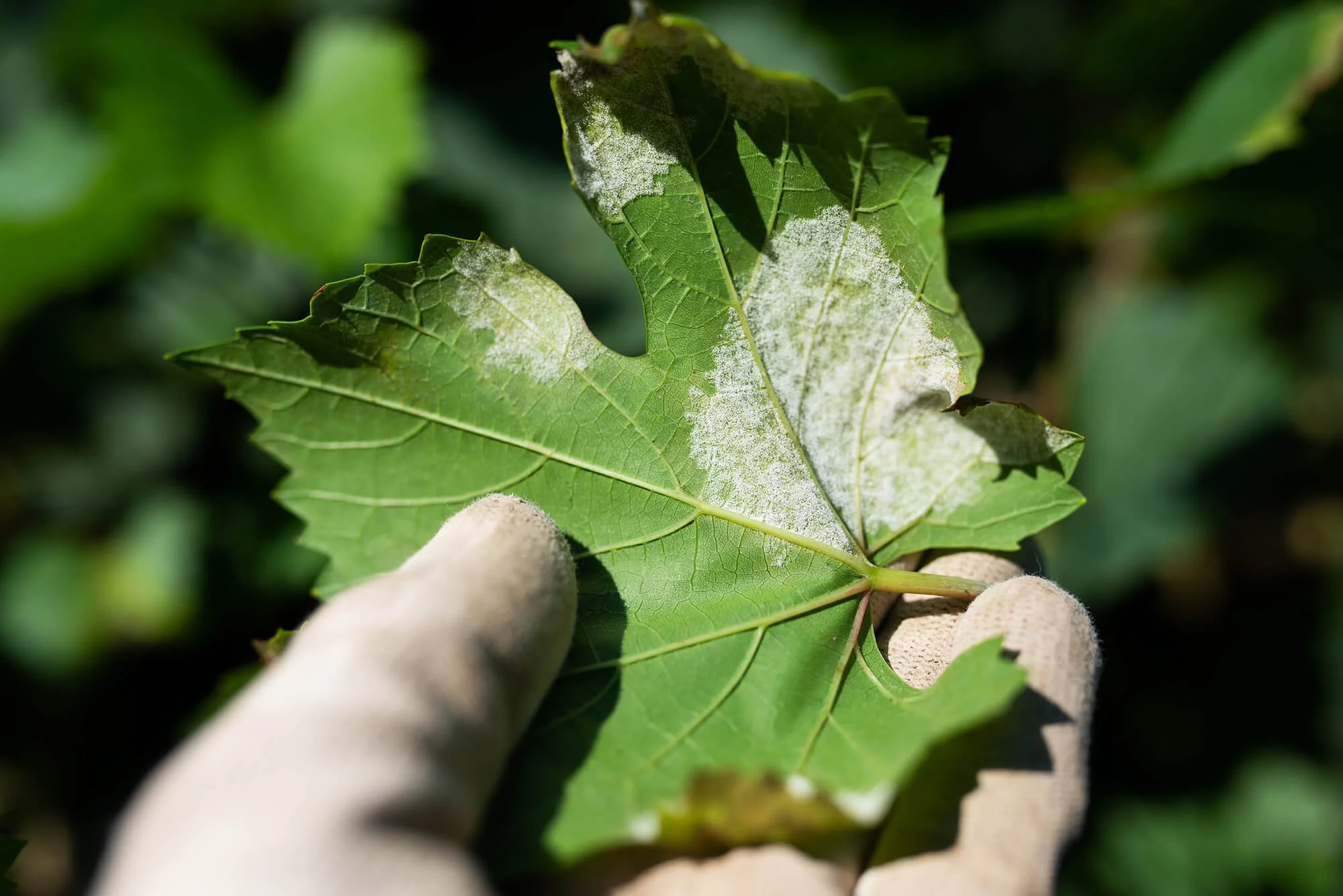
Beyond insect control, dormant oil smothers overwintering fungal spores — including powdery mildew and rust — that shelter on bark and buds through winter. A well-timed dormant oil application reduces the initial inoculum available to infect new growth in spring, which can meaningfully lower the fungicide pressure needed later in the season.
This proactive approach to disease suppression lowers overall chemical input costs and reduces the environmental footprint of an orchard or vineyard program. Early-season disease pressure often determines the fungicide load required through summer; reducing it at the source pays dividends for months.
When is the right time to apply dormant oil?
The application window is February through April, while trees and vines are fully dormant and before bud swell begins. Applying too early misses late-hatching pests; applying too late risks burning tender new growth with oil residue. Cool, dry days with no rain forecast for at least 24 hours give the best results.
Application timing varies by variety, elevation, and annual weather patterns. Monitoring bud stage is critical — trees at or past early bud swell are at risk. For multi-variety orchards or vineyards, prioritize the earliest-waking varieties to ensure the full block is covered before any sensitive growth stage begins.
Why use drones for dormant oil application instead of a ground sprayer?
Orchards and vineyards in February and March are often too wet and muddy for tractor access. Drones operate regardless of ground conditions, eliminate soil compaction from heavy winter equipment, and cover canopies from above — reaching the tops of tall trees that ground rigs routinely under-spray.
Drone application also enables precise volume delivery. Rather than running a ground rig at a fixed rate across the entire block, drones can adjust application rates based on canopy density — applying more to dense, mature trees and less to young plantings, reducing product waste and total cost per acre.

Frequently Asked Questions
What is dormant oil and how does it work for pest control?
Dormant oil is a petroleum or plant-based oil that coats and suffocates overwintering insects, eggs, and mites on tree bark and buds. It also smothers fungal spores like powdery mildew before they activate in spring. Because it works mechanically rather than chemically, it does not leave toxic residue and does not harm beneficial insects that are not present yet during dormant season.
When should dormant oil be applied?
The window is February through April, while trees and vines are fully dormant and before bud swell begins. Applying too late risks burning tender new growth. Cool, dry days with no rain forecast for 24 hours give the best results.
Which pests does dormant oil target?
Dormant oil is effective against aphid eggs, scale insects (San Jose scale, European fruit scale), spider mites, and certain caterpillar eggs. It also suppresses overwintering fungal pathogens including powdery mildew and rust.
Why use a drone for dormant oil application instead of a ground sprayer?
Orchards and vineyards in February are often too wet and muddy for tractor access. Drones operate regardless of ground conditions, cover canopies from above reaching tops of tall trees that ground rigs under-spray, and apply precise volumes without the compaction and row-damage that heavy equipment causes in winter-softened soil.
How much of my operation can drones cover for dormant oil?
Coverage depends on aircraft, product, and canopy density, but several hundred acres per day is typical for orchard and vineyard blocks. Contact AgHawk for a site-specific estimate based on tree spacing, canopy height, and terrain.