5 Tips for Better Rodent Control in Your Fields

Drone spreading is one of the most effective tools for rodent control in orchards, vineyards, and field crops — particularly in wet winter months when ground equipment cannot reach problem areas. Drones apply rodent control agents precisely to hotspot areas identified from aerial surveys, reducing product use and minimizing off-target exposure to non-target wildlife.
Where do rodents concentrate in orchards and farm fields — and how do you find them?
Rodents concentrate in storage areas, field edges, brushy borders, and dense crop zones where cover is available and food is nearby. Early detection requires systematic inspection for burrows, runways, droppings, and crop damage. Aerial drone surveys can identify active burrow concentrations across large areas faster and more completely than ground walkthroughs.
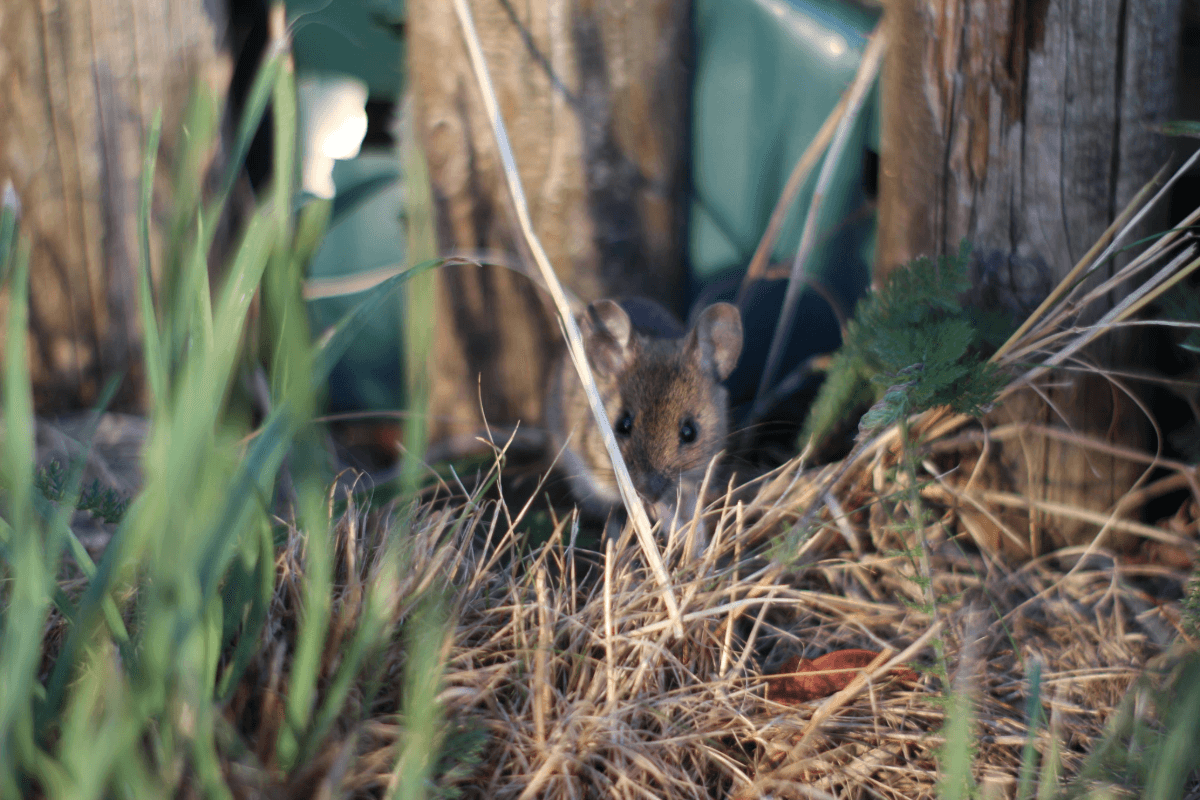
Voles (meadow mice), pocket gophers, and ground squirrels are the most damaging species in Central Washington orchards and vineyards. Voles girdle young tree trunks and roots below the soil surface; pocket gophers sever root systems outright; ground squirrels damage fruit and burrow extensively near trees. Each species shows a distinct spatial pattern visible from above.
How does drone technology improve rodent control in orchards and vineyards?
Drones deliver rodent control agents precisely to hotspot areas identified from aerial surveys — rather than broadcasting treatments across entire fields. This targeted approach reduces total product applied, minimizes exposure to non-target species, and covers terrain that ground equipment cannot reach in wet winter conditions.
Late winter is the ideal treatment window for many rodent species, when populations are concentrated and vegetation has not yet greened up to conceal burrow locations. This is also when fields are frequently too muddy for tractor or ATV access. Drones operate independently of ground conditions, reaching every corner of the block without soil compaction or equipment damage.
What field management practices reduce rodent pressure year-round?
Clearing field edges of tall grass, brush piles, and debris removes the nesting habitat and travel corridors that allow rodent populations to build up at field margins before moving inward. Establishing clean, maintained borders creates a buffer zone that slows recolonization after treatment.
Integrated pest management (IPM) approaches combine multiple methods: habitat removal at borders, natural predator encouragement (raptor perches, owl boxes), targeted baiting of active hotspots, and monitoring to catch rebound populations early. No single method controls rodents indefinitely; the combination creates sustained suppression.
How do I manage rodent control responsibly without harming non-target wildlife?
Responsible rodent management focuses on precise placement rather than broadcast treatment, selects bait formulations with lower secondary toxicity risk, and follows all label requirements for placement locations and quantities. Targeted aerial application to confirmed active burrow zones dramatically reduces non-target exposure.
Raptors, foxes, and other predators that feed on rodents are a natural biological control asset worth protecting. Working with a provider that understands IPM principles and aerial precision application — and that documents treatment locations — keeps your program both effective and defensible under regulatory scrutiny.
Frequently Asked Questions
Can drones really help with rodent control in farm fields?
Yes. Drones identify rodent hotspots aerially — burrow concentrations near field edges and storage areas are visible from above — and then spread rodenticides or other control agents precisely into those zones, covering ground that is inaccessible by vehicle and doing so efficiently across large areas.
What types of rodents are most common in Central Washington orchards and vineyards?
Voles (meadow mice), pocket gophers, and ground squirrels are the most damaging. Voles girdle young tree roots and trunks; pocket gophers destroy root systems; ground squirrels damage fruit and create hazards. Each requires a different management approach.
When is the best time to treat for rodents in orchards?
Late winter and early spring — before vegetation greens up and conceals burrow activity — is the ideal window for aerial baiting. Populations are concentrated and easier to target before breeding season increases numbers.
Is drone-spread rodenticide safe for raptors and other wildlife?
Responsible application focuses on precise placement rather than broadcast spreading, uses appropriate bait formulations, and follows label requirements that minimize non-target exposure. AgHawk follows integrated pest management principles that protect beneficial predator species.